
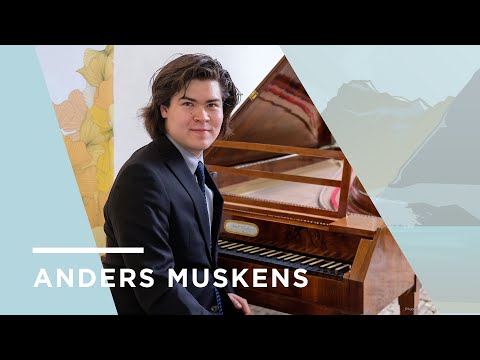
Anders Muskens
Requesting your help with a Fundraiser
I recently launched a crowdfunding campaign to produce new Beethoven recordings. You can back my campaign now: deadline 25 September
About
-

Solo and Chamber Music
Performances on solo fortepiano, clavichord, and harpsichord and in small chamber ensembles
-

Orchestral Leadership
Founder and Kapellmeister of the ensemble, Das Neue Mannheimer Orchester
-

Scholarly Research
Research in musicology and eighteenth-century studies

News
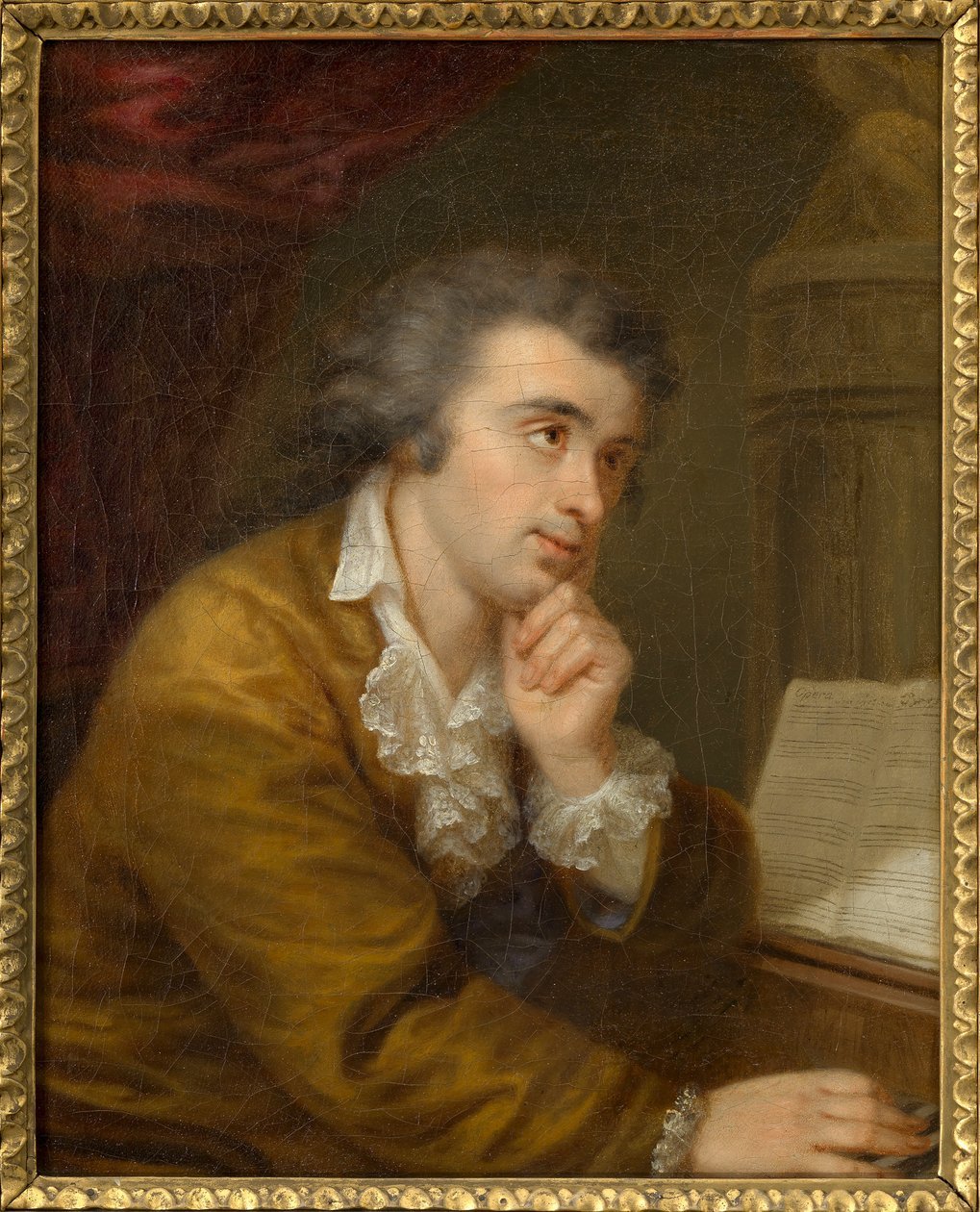

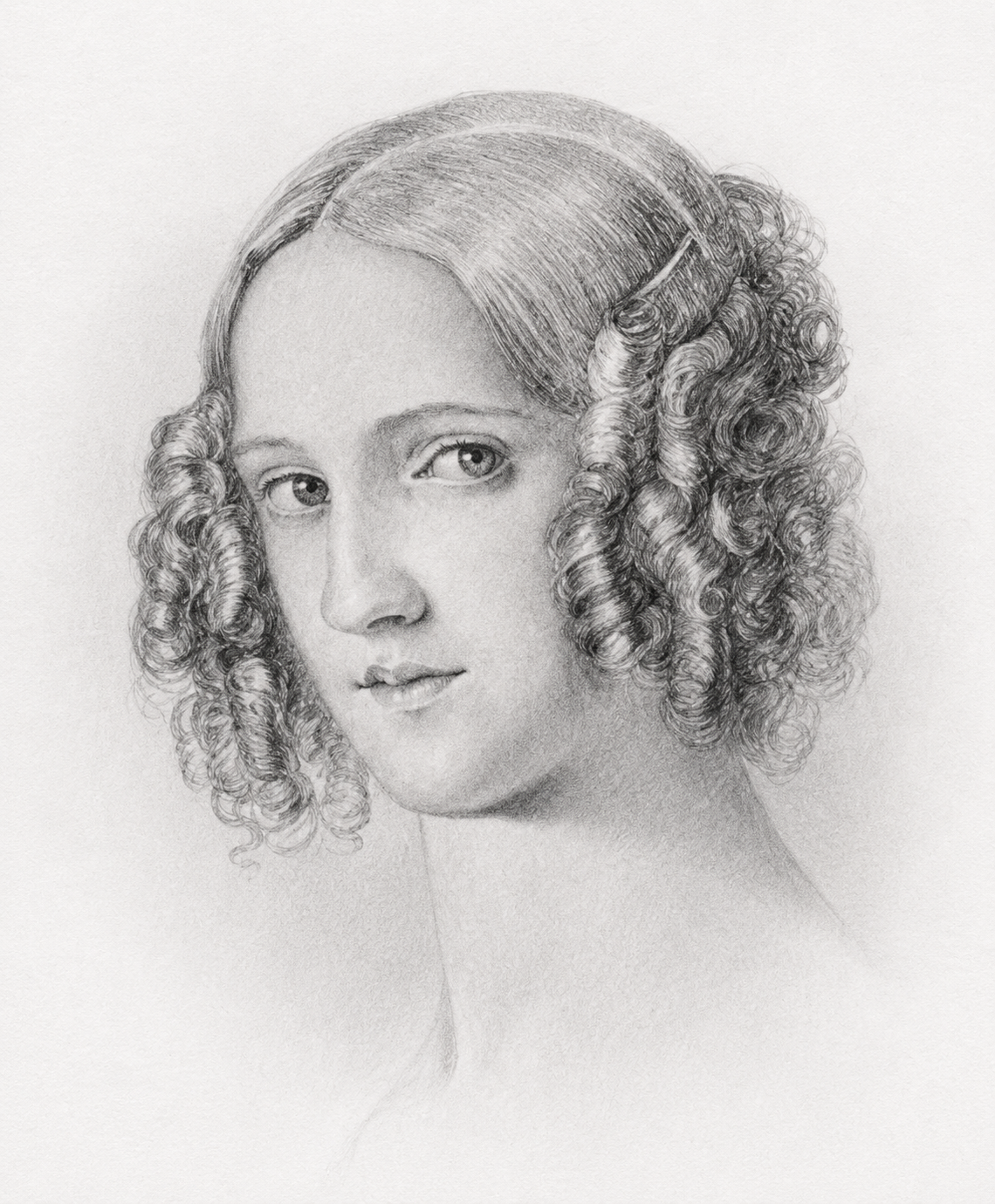

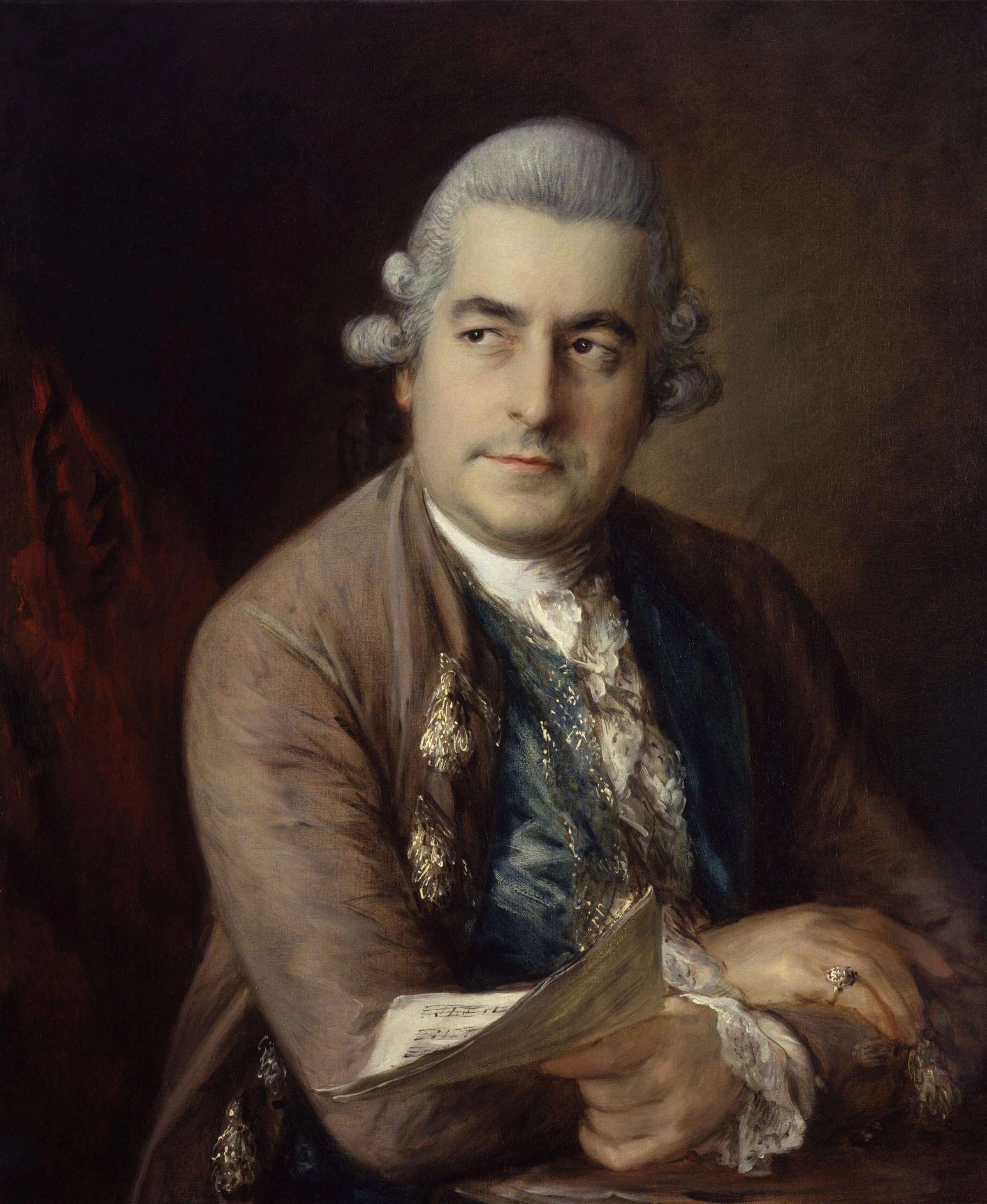
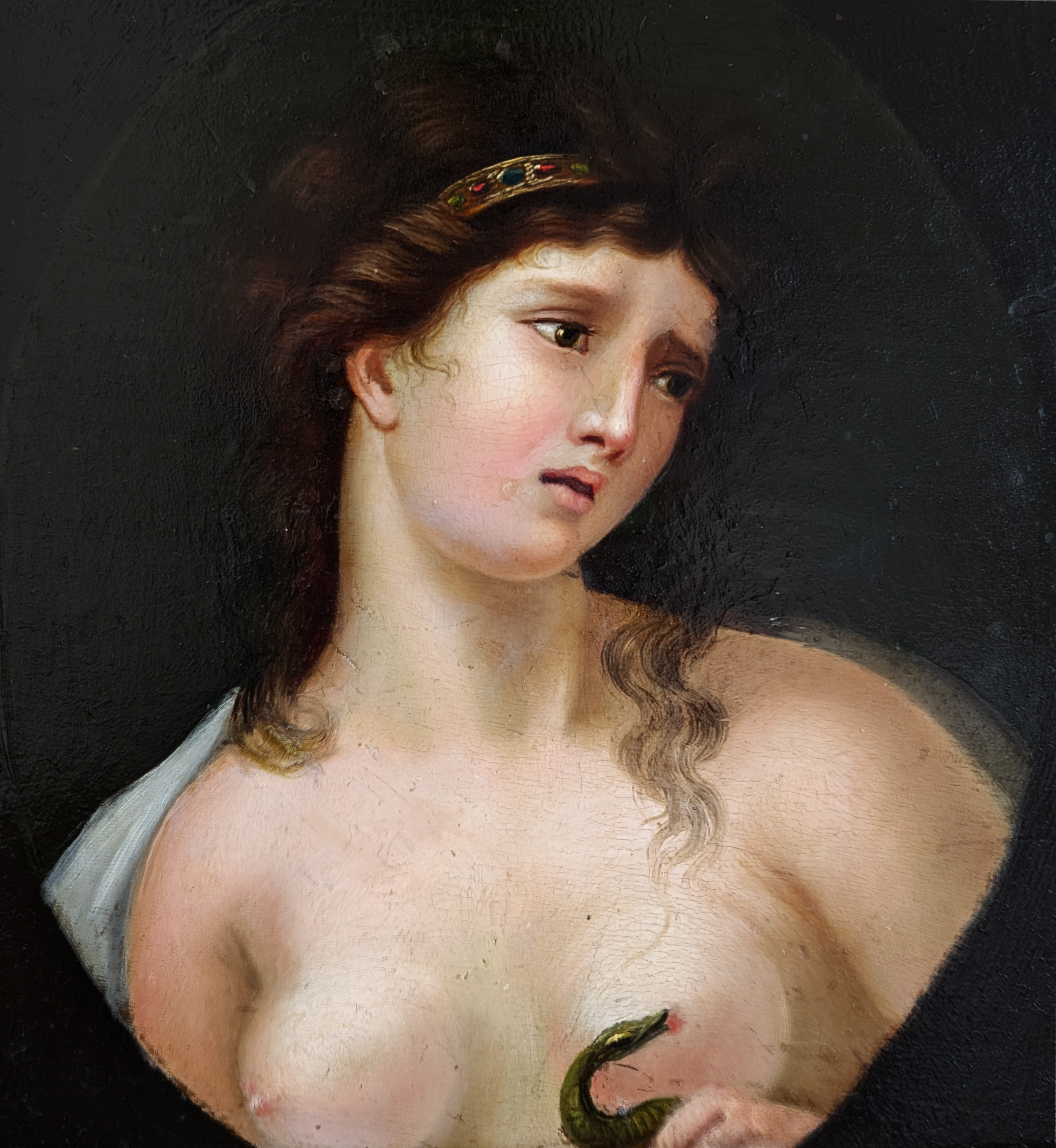
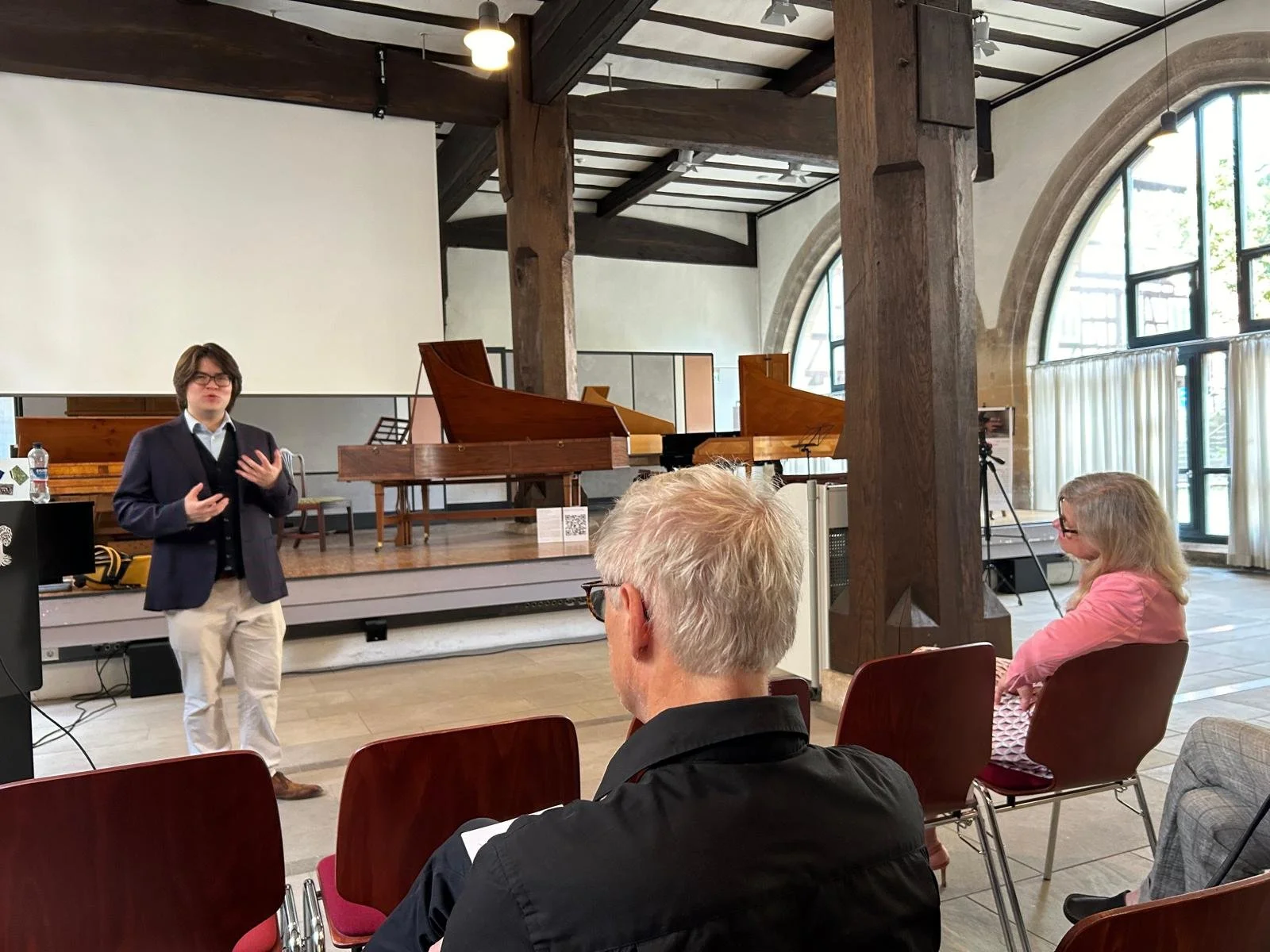
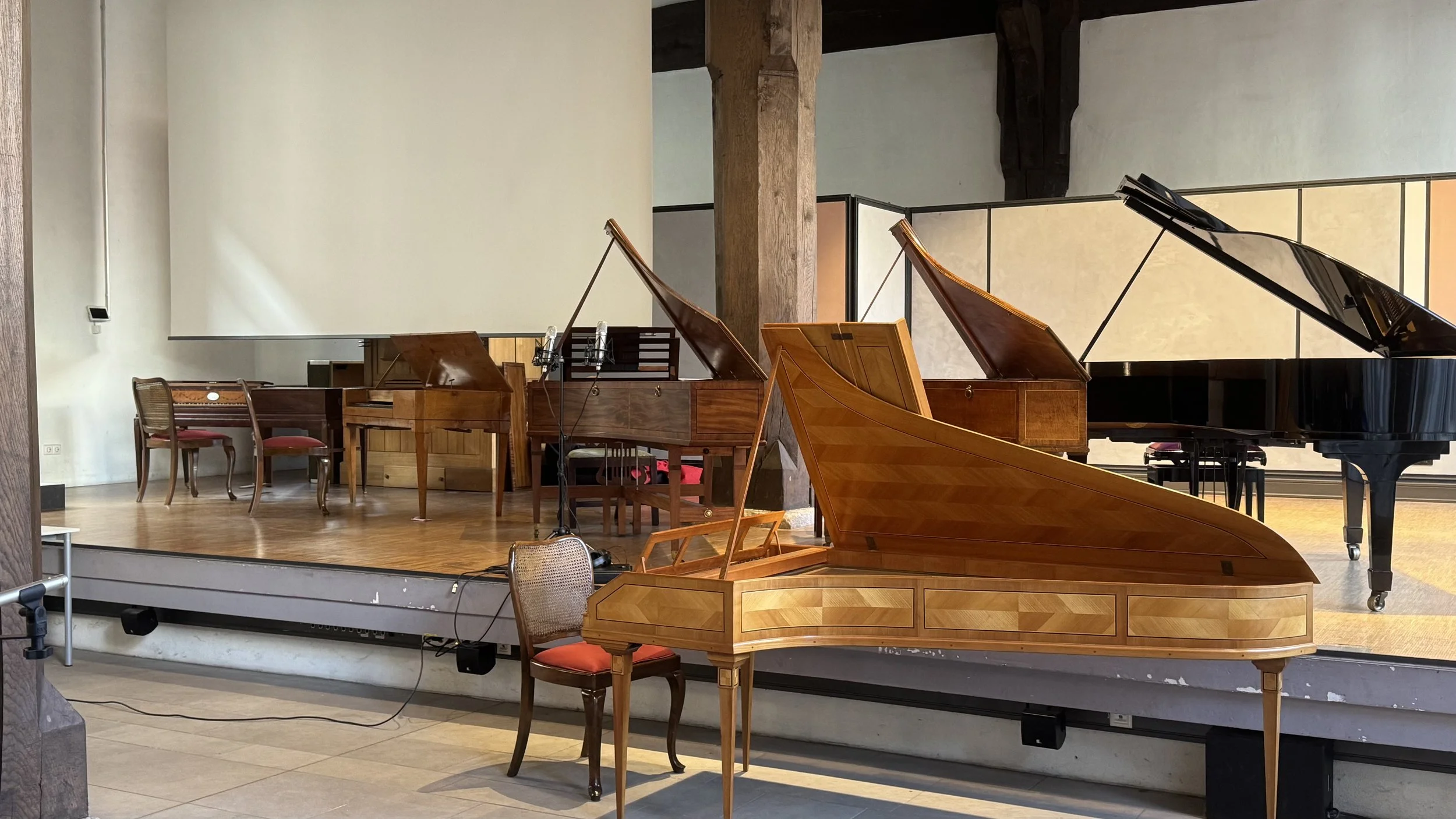
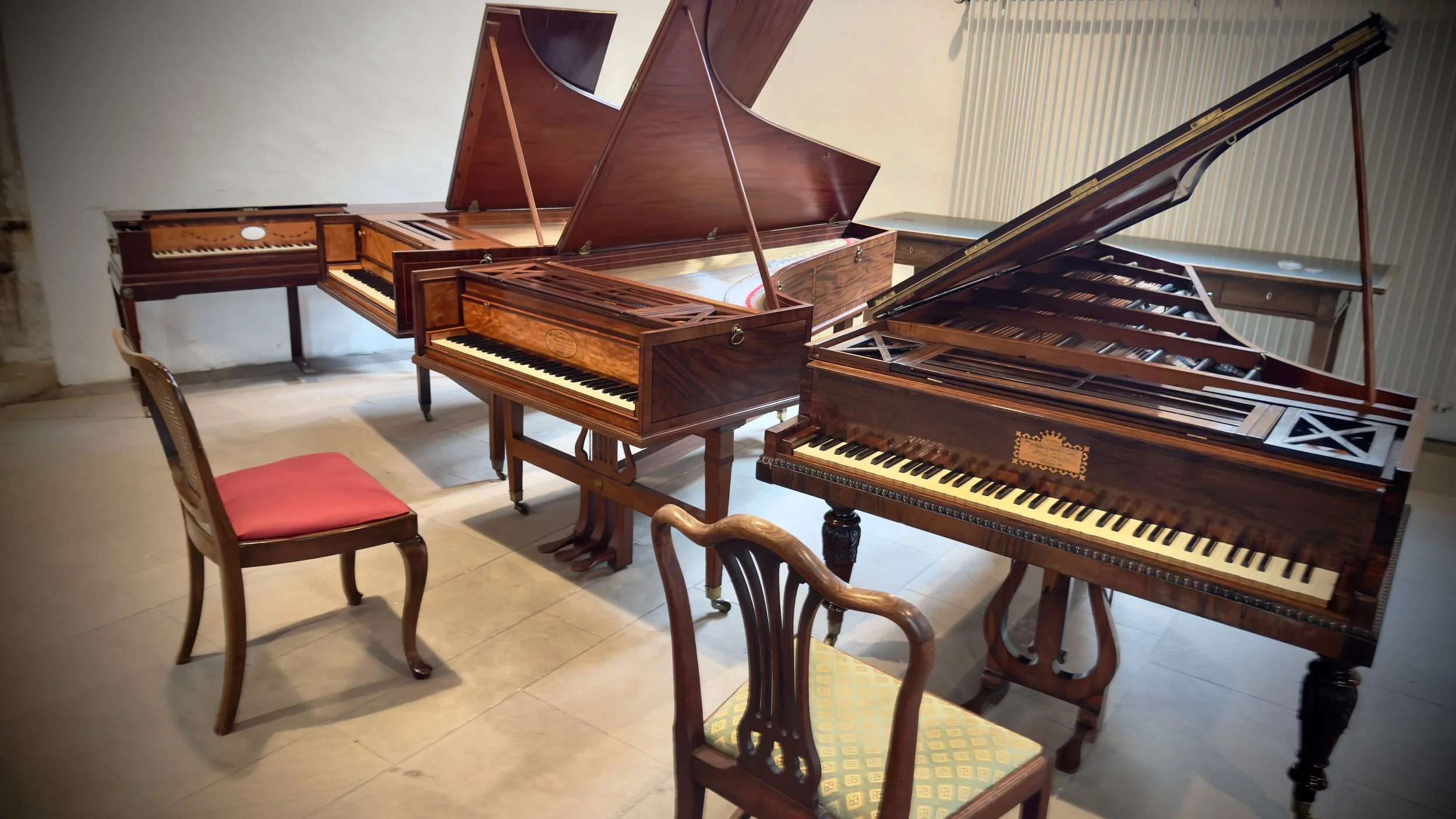
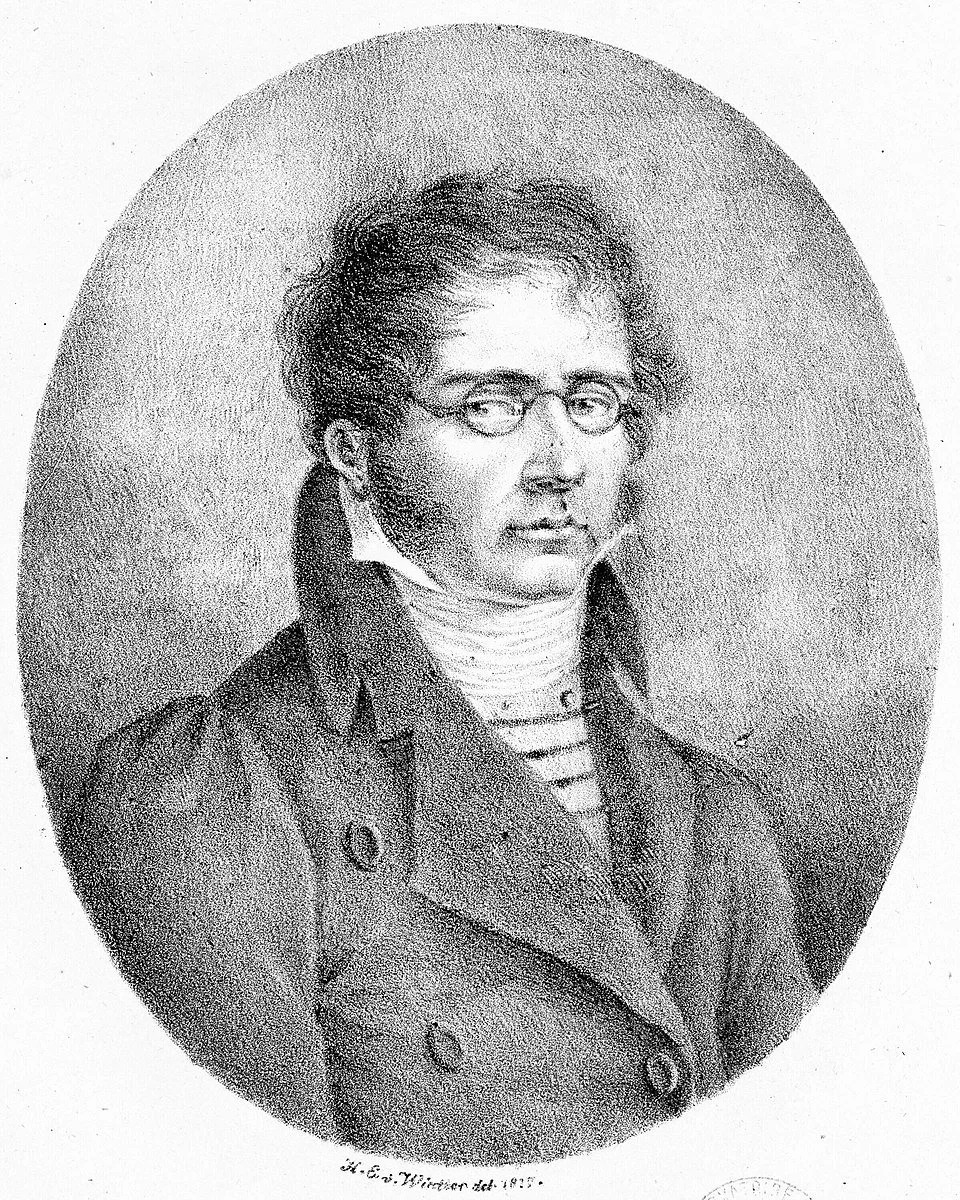
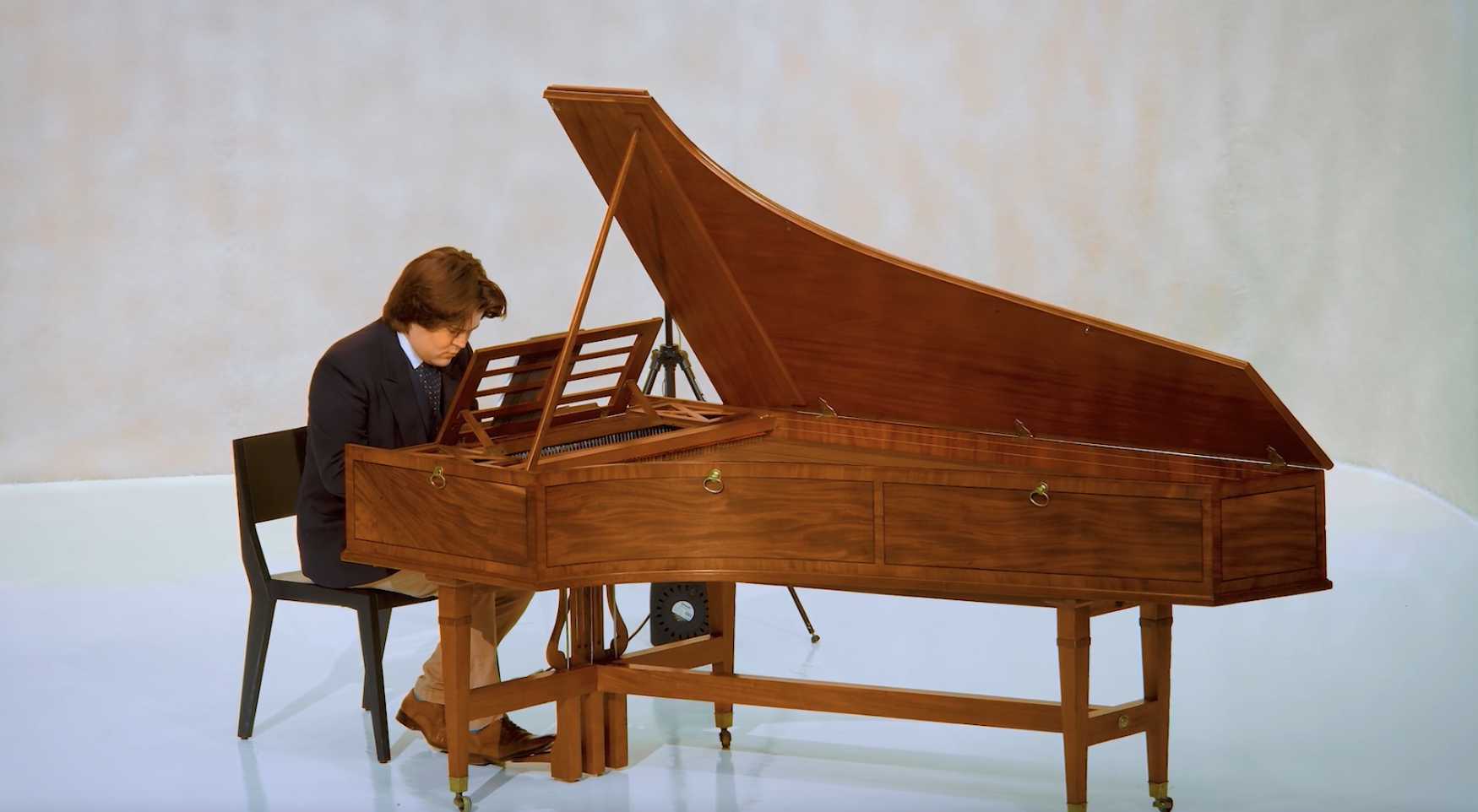
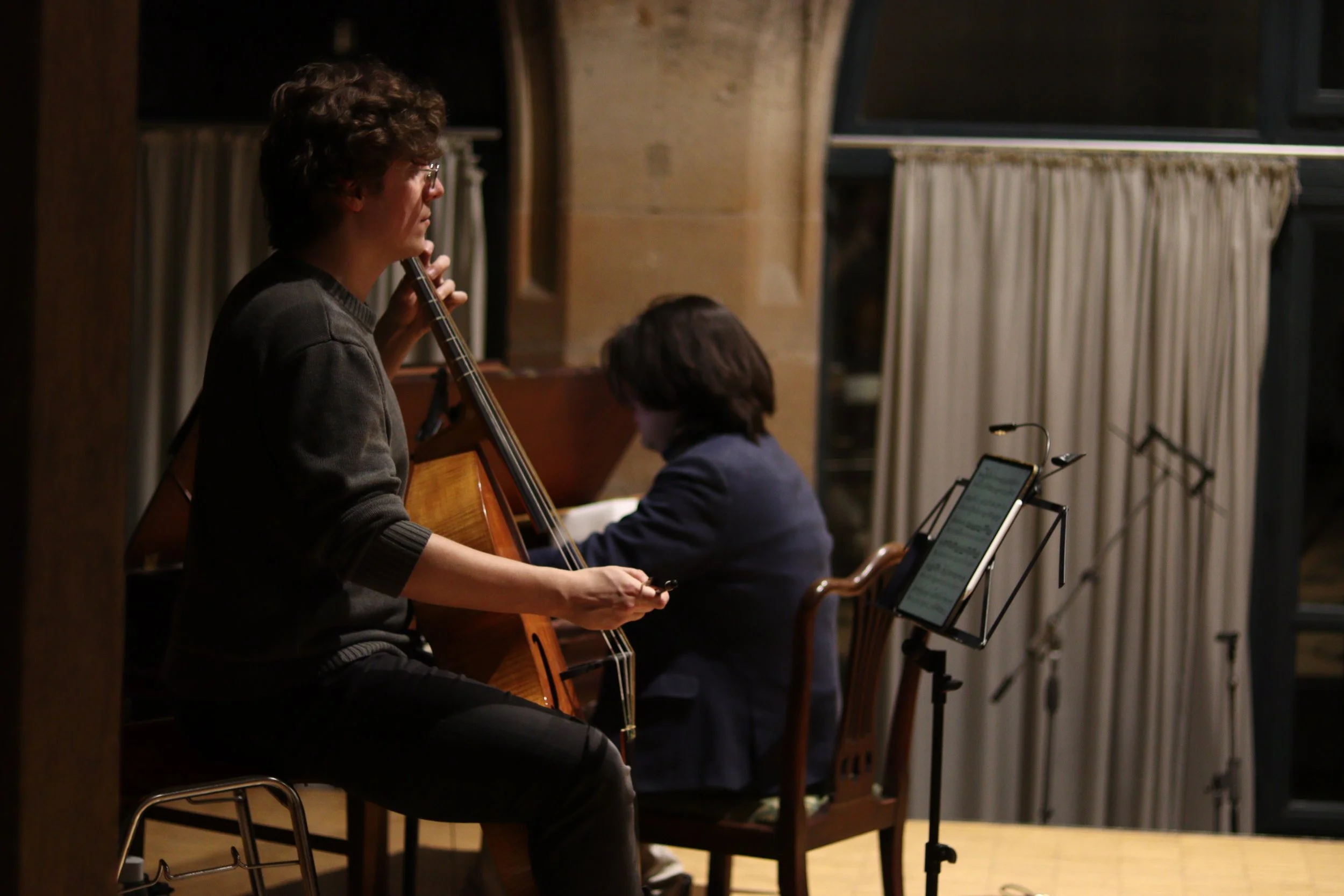



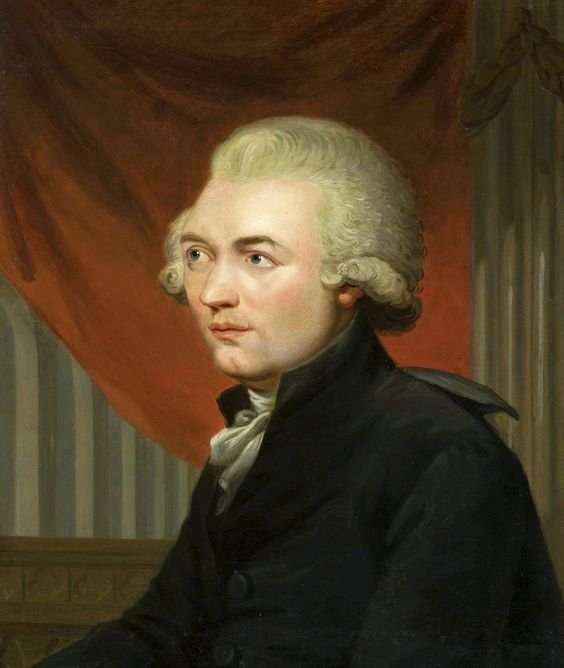


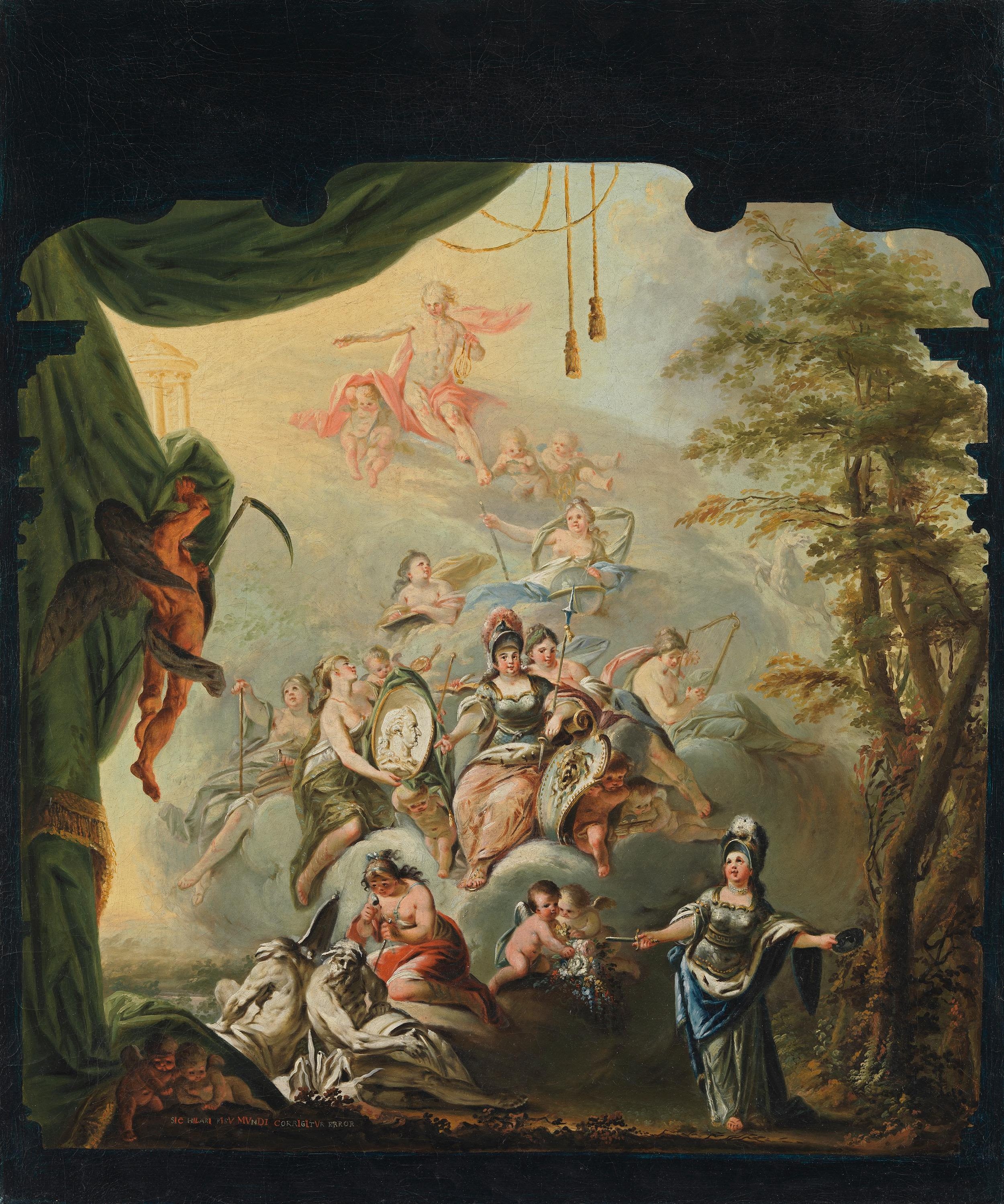
New album with Das Neue Mannheimer Orchester coming soon. Music from Carl Theodor’s court orchestra in Mannheim c. 1742–1778
Latest: Musicology Research Blog
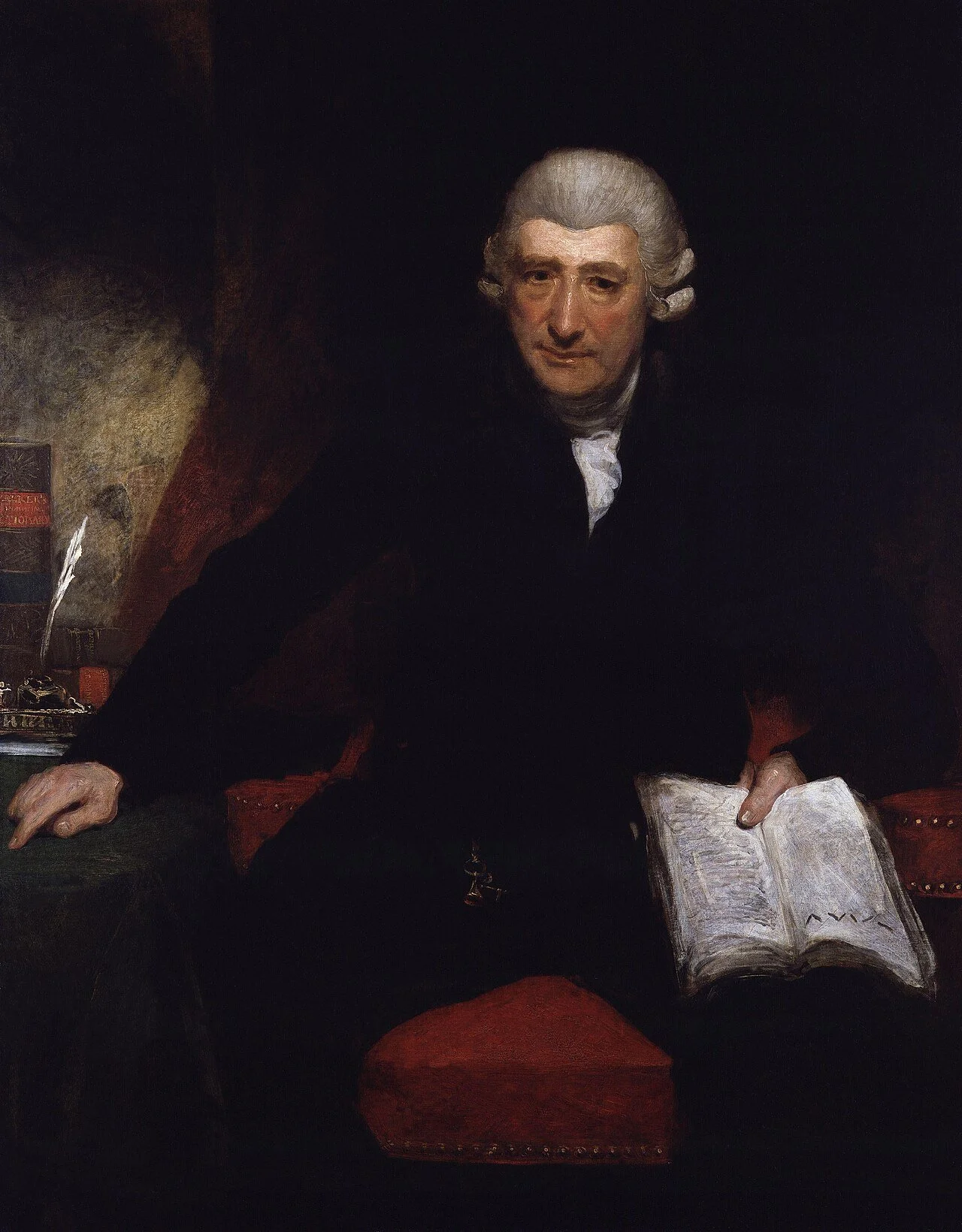
A digital library dedicated to the treatises of the 18th century elocutionist and rhetorician, John Walker
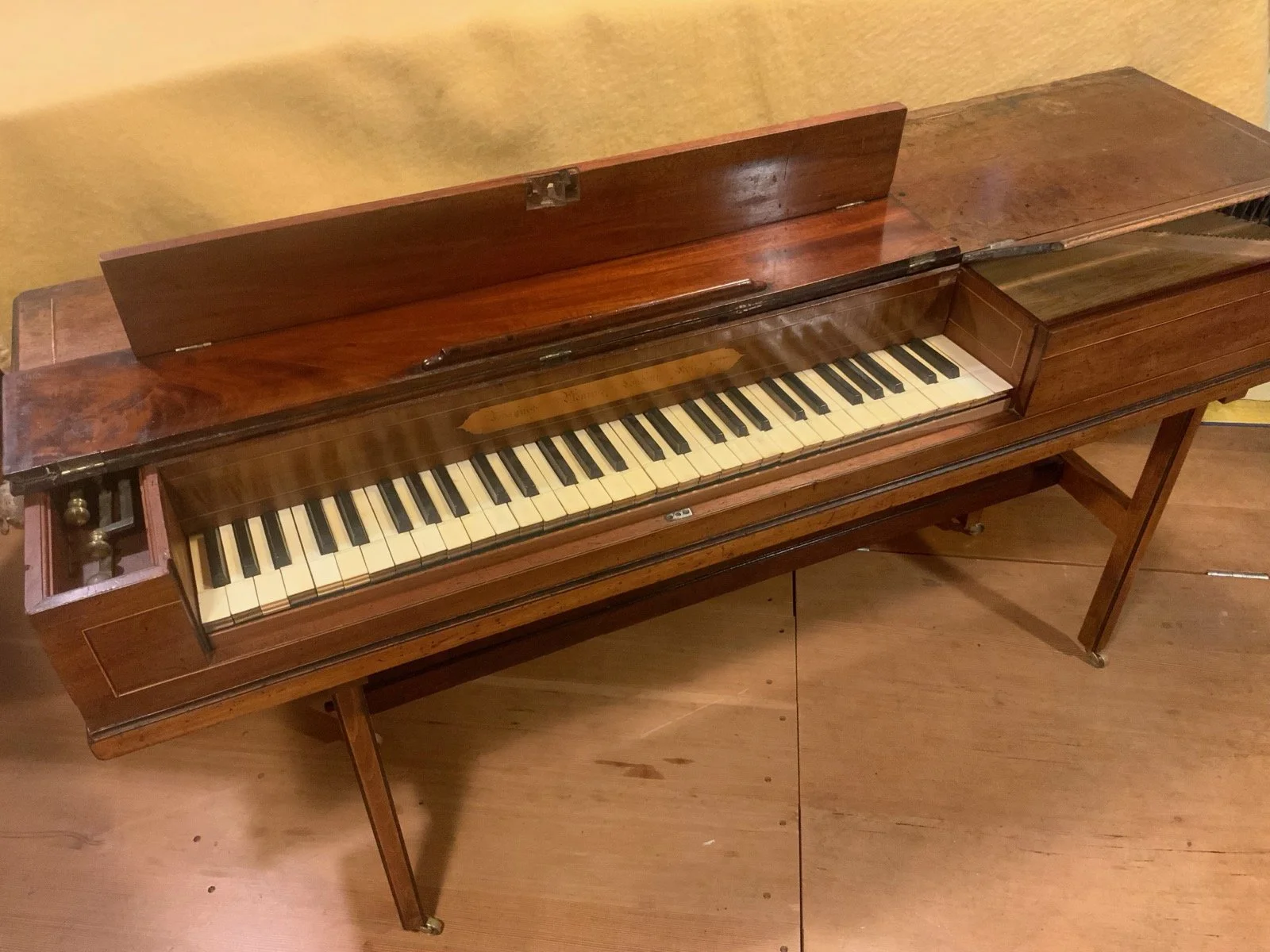

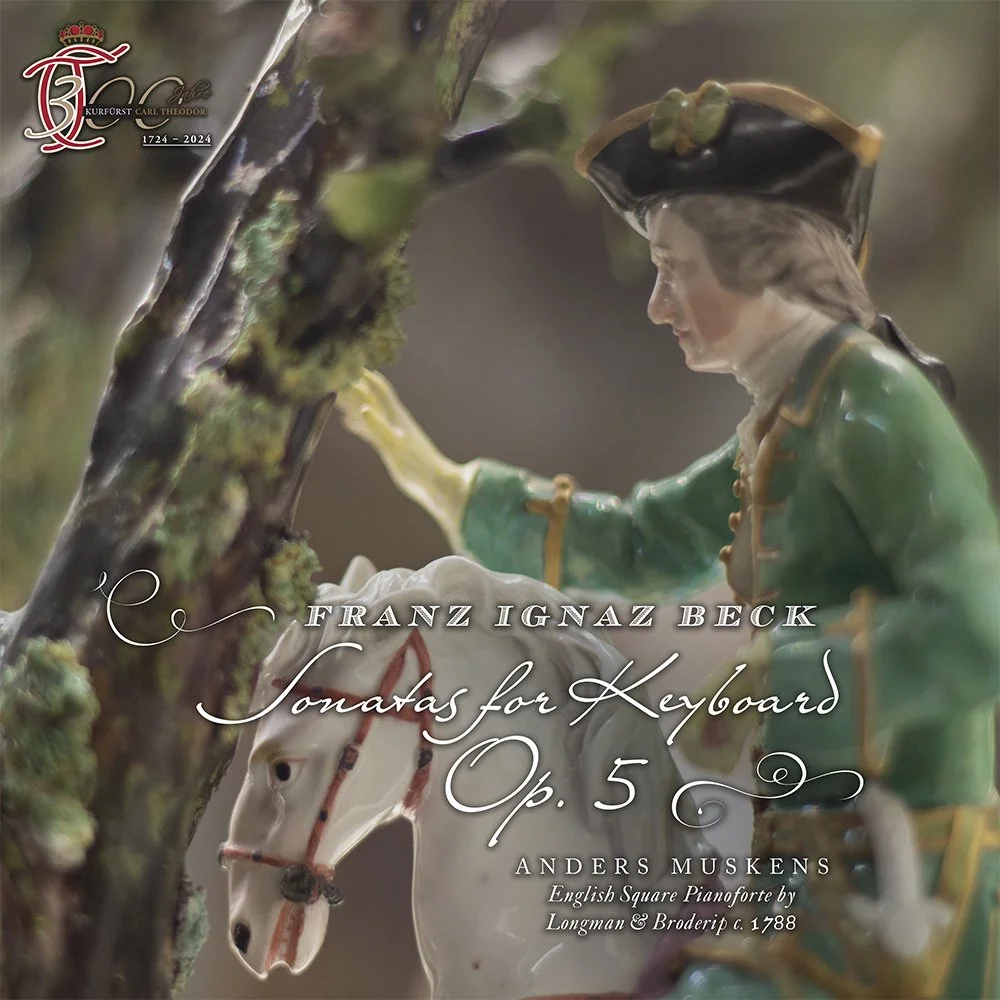
Franz Ignaz Beck (1734–1809) was an influential German composer associated with the Mannheim School, who significantly shaped musical culture in France, particularly in Bordeaux. Trained under Johann Stamitz and later Baldassare Galuppi, Beck gained acclaim for his dramatic symphonies and elegant keyboard sonatas. His Op. 5 sonatas embody the galant style, blending charm, wit, and sentimentality, reflecting broader cultural ideals of refined sociability and expressive elegance in 18th-century Europe.
Upcoming
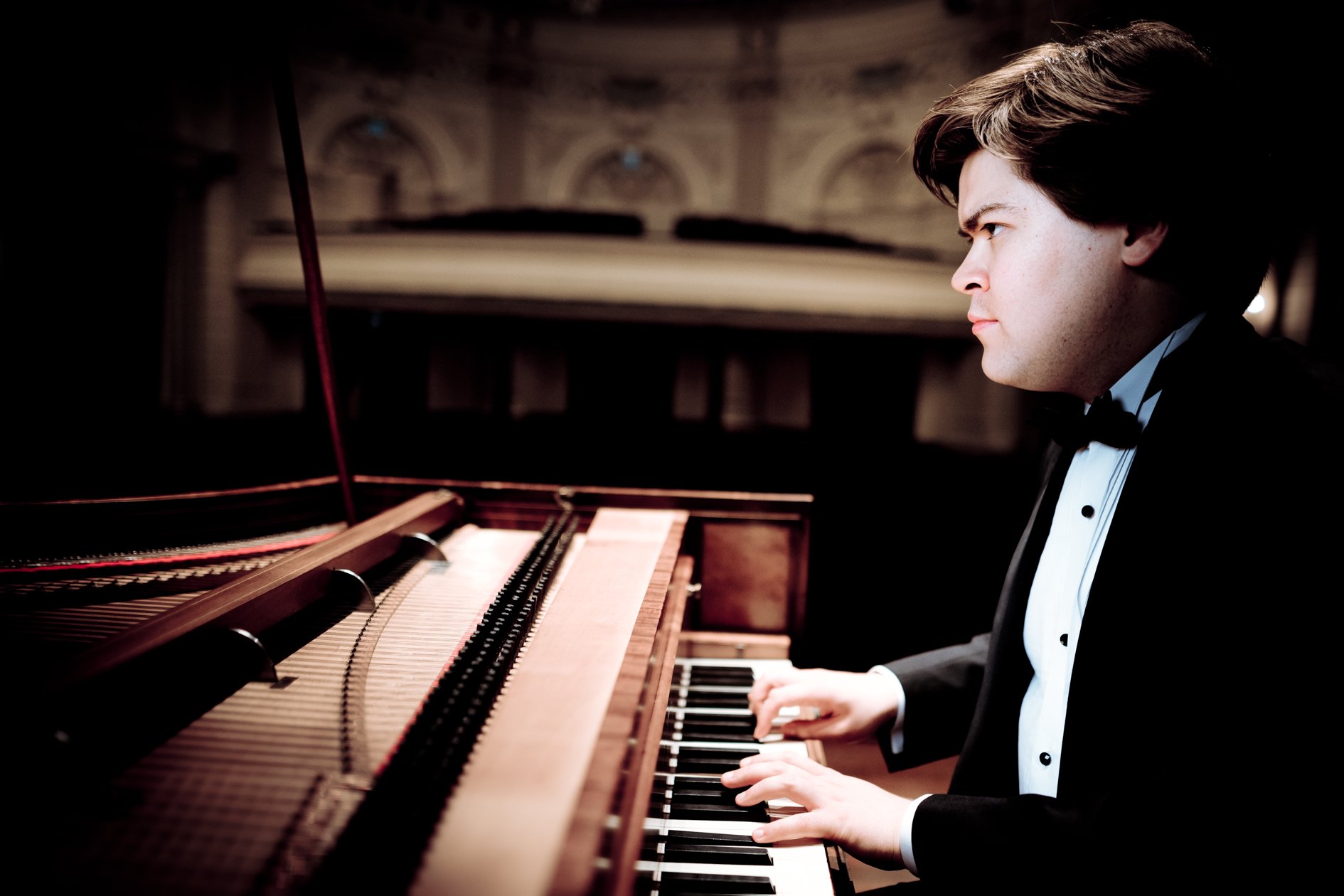
Video


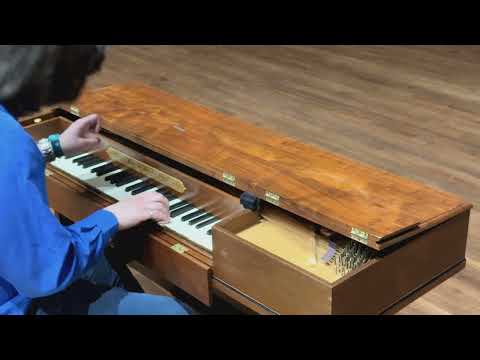


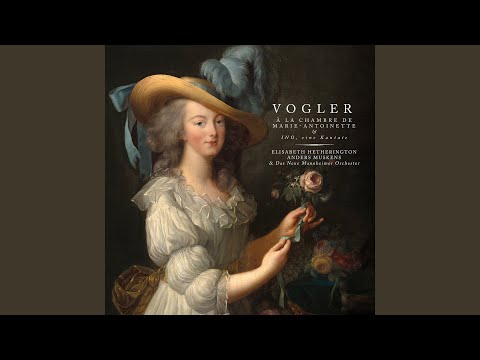
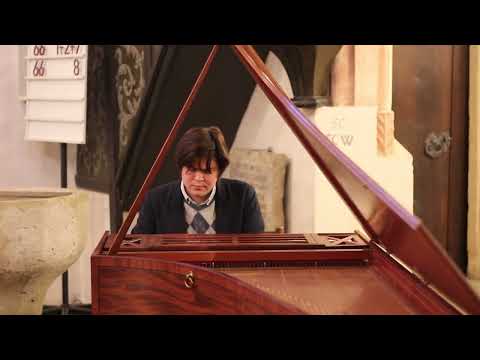
This program presents a combination of works for fortepiano by both Mozart and Georg Joseph Vogler (1749-1814): two famous composers in their day who had a sort of rivalry (atleast in Mozart’s eyes) when they met in Mannheim in 1777. As a notable member of the “Mannheimer Schule,” Vogler was an extremely innovative composer, music theorist, important teacher, and famous performer on the keyboard (organ, harpsichord, fortepiano, clavichord) in his day.
This program presents a combination of works for fortepiano by both Mozart and Georg Joseph Vogler (1749-1814): two famous composers in their day who had a sort of rivalry (atleast in Mozart’s eyes) when they met in Mannheim in 1777. As a notable member of the “Mannheimer Schule,” Vogler was an extremely innovative composer, music theorist, important teacher, and famous performer on the keyboard (organ, harpsichord, fortepiano, clavichord) in his day. Mozart arrived in Mannheim in 1777 searching for a job, and soon met Vogler, who occupied the high rank of second Kapellmeister within the Mannheim court orchestra. Mozart must have been jealous of Vogler, who was only 7 years his senior, and Mozart immediately dismissed Vogler as a charlatan in letters to his father. Mozart’s disdain for Vogler posthumously ruined Vogler’s reputation, so interest in Vogler’s music today is extremely limited. Regardless, he had many famous students including Peter von Winter and Carl Maria von Weber, and his many proponents included Robert Schumann. Presented by Early Music Vancouver Artist: Anders Muskens, fortepiano

Christian Friedrich Daniel Schubart (1739-1791) was a German composer, organist, keyboardist, music theorist, poet, journalist, and dedicated activist.
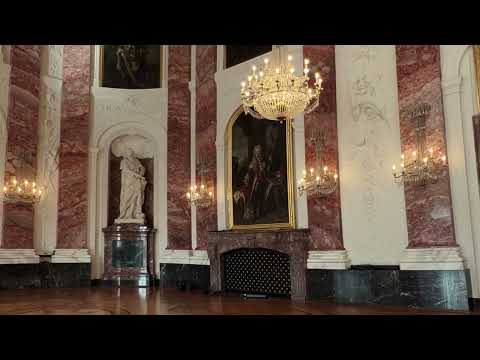
Anders Muskens is a BLEMF Emerging Artist. Christian Friedrich Daniel Schubart (1739-1791) was a German composer, organist, keyboardist, music theorist, poet, journalist, and dedicated activist. Praised by Charles Burney who heard him play organ in Ludwigsburg, Schubart is mostly remembered today as the author of the poem "Die Forelle," which Franz Schubert set to music years later. In an era before true freedom of speech in Germany, Schubart’s published attack on the improprieties of the Jesuits led to his arrest and decade-long confinement in the severe conditions of the Hohenasperg Fortress. During his incarceration, Schubart authored the important treatise "Ideen zu einer Aesthetik der Tonkunst,” (“Ideas for an Aesthetics of Musical Art”) and wrote music and poetry, much of which in the "Sturm und Drang" style. For his political and religious views, Schubart was persecuted: exiled from society, and confined to a cell within a mighty, cold, stone fortress. Yet, in the prevailing spirit of the 18th century, his captors showed a level of Enlightenment leniency and allowed him to publish his art despite his status as a convicted prisoner. This concert was recorded from within the very cell at the Hohenasperg Fortress where Schubart spent a decade, and wrote much of the music we will hear performed.
Christian Friedrich Daniel Schubart (1739 – 1791)
Keyboard Sonata No. 1 in D major from “Etwas für Clavier und Gesang.“ Winterthur (1783)
Allegro Andante cantabile Presto Tempo di menuetto
Christian Friedrich Daniel Schubart (1739 – 1791) -Keyboard Sonata No. 2 in C major from “Etwas für Clavier und Gesang.“ Winterthur (1783)
Allegro Andante Presto Rondo
Christian Friedrich Daniel Schubart (1739 – 1791) -Keyboard Sonata No. 3 in D major from “Etwas für Clavier und Gesang.“ Winterthur (1783)
Allegro Andante grazioso Presto
Christian Friedrich Daniel Schubart (1739 – 1791) -13 Variations on a Theme in B flat (manuscript, 1790 in the Badische Landesbibliothe Karlsruhe)

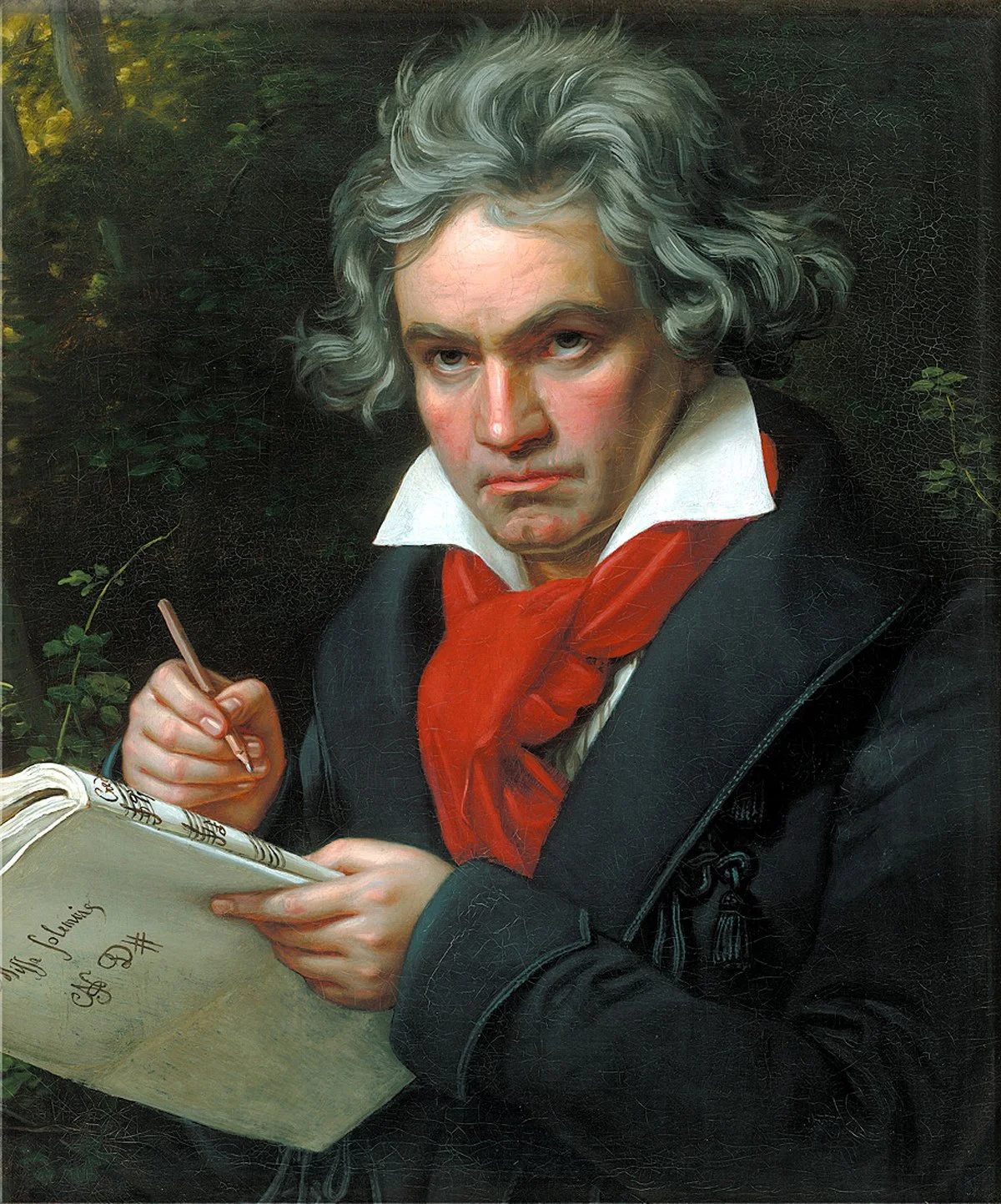
Ludwig van Beethoven (1770-1827)
Piano Concerto in D major Op. 61a
Allegro ma non troppo – Larghetto – Rondo. Allegro
Preview for the new album releasing on 25 October 2024 with Leaf Music Distribution!
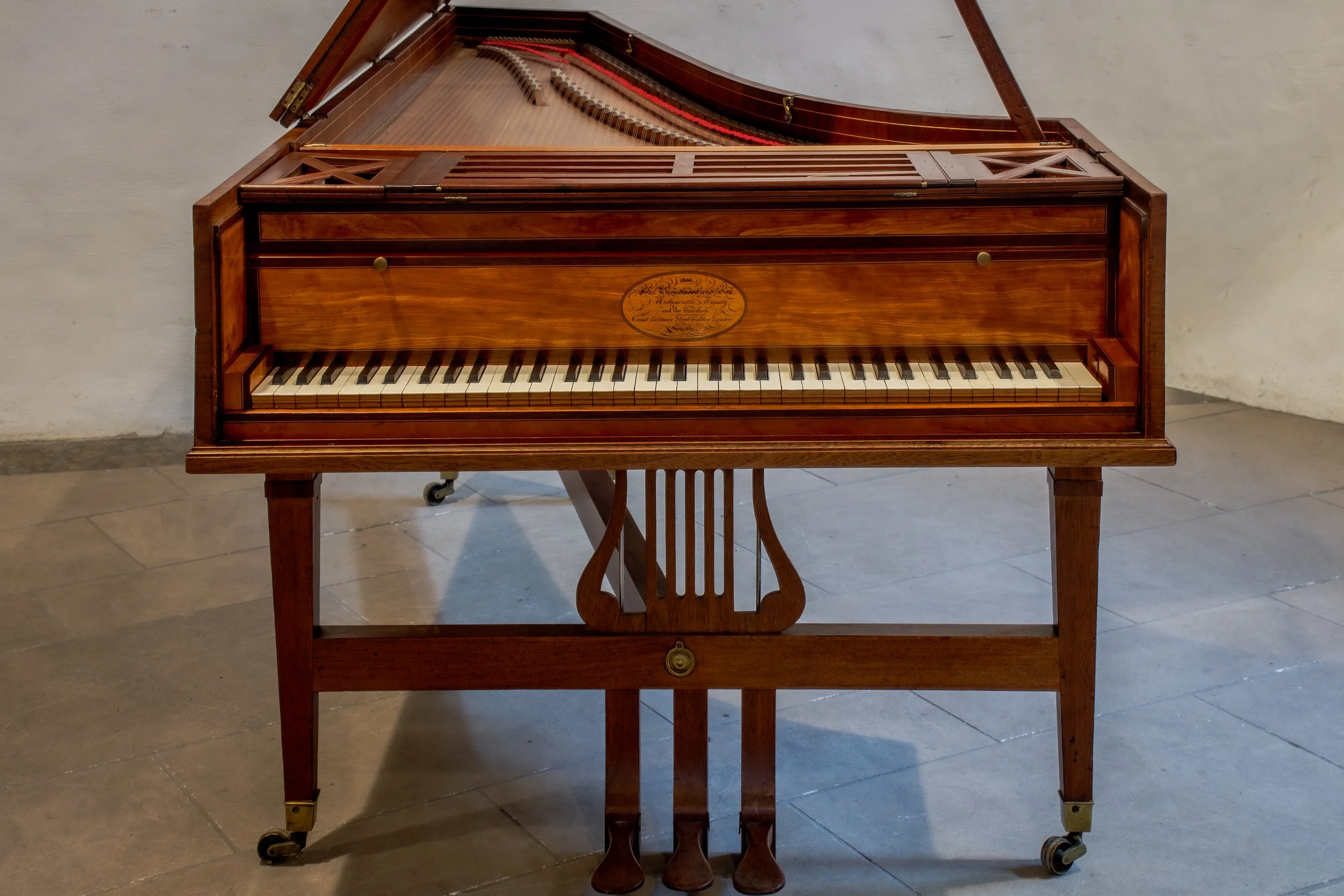
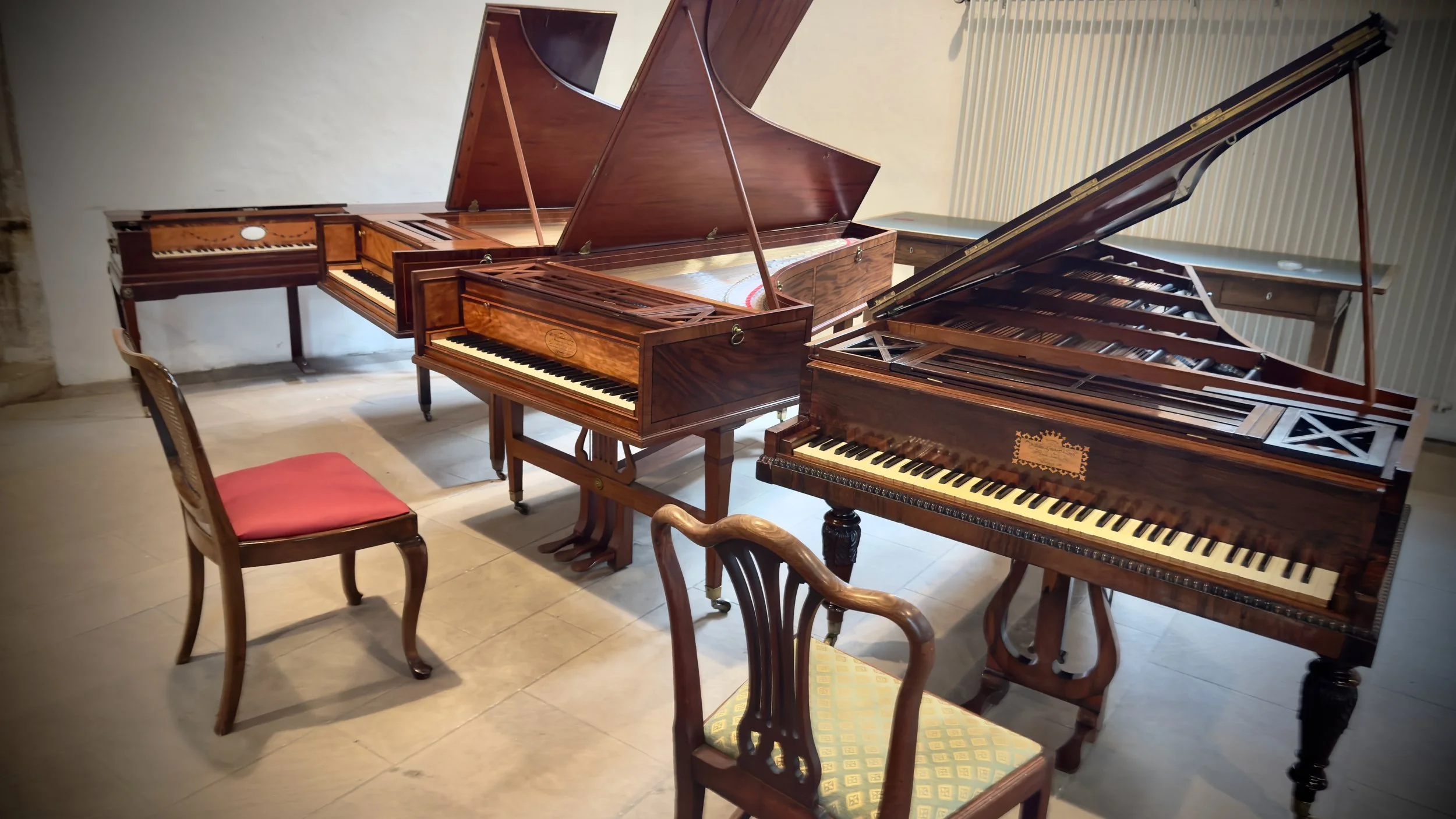
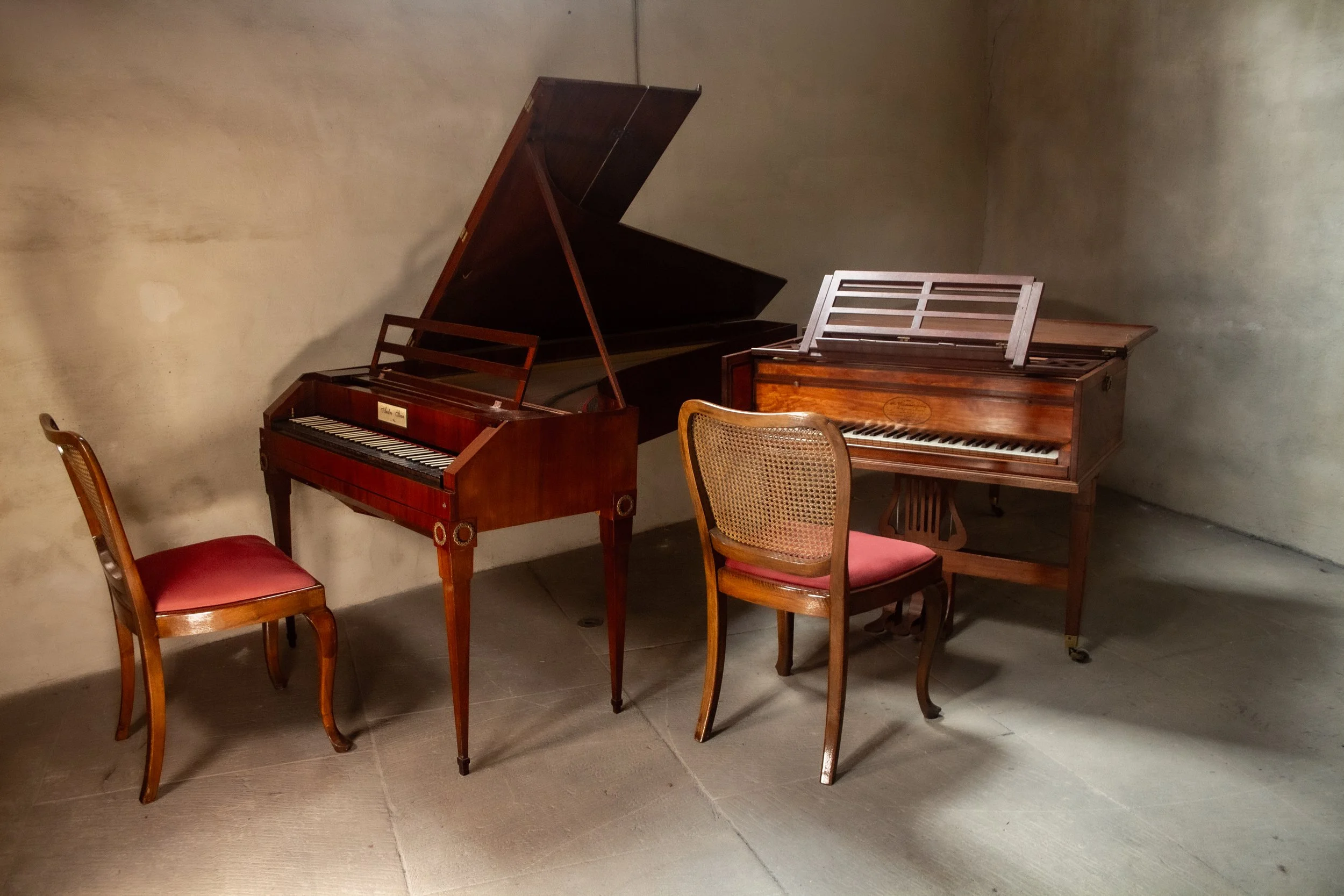
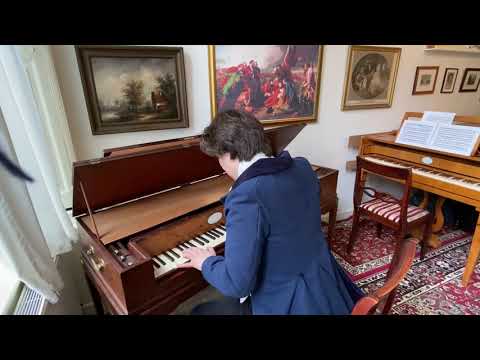
Anders Muskens, fortepiano: John Broadwood & Sons grand pianoforte, London c. 1806
Rachael Beesley, concertmaster
and Das Neue Mannheimer Orchester
https://www.neuemannheimerorchester.de/
Recorded in Schiedam on period instruments, historically informed with Romantic-era orchestral expressive and stylistic devices, including tempo flexibility, asynchronicity, portamenti, vibrato, and pathos-laden expression. As well, a historical orchestral arrangement and leadership structure were used. We sought to indulge in the emotionality of the Romantic aesthetic, and dare to engage with, experiment with, and incorporate aspects of 19th-century orchestral performance practices. This project will be our unveiling of a fresh take on Beethoven that will certainly challenge more mainstream approaches to this repertoire.
As part of a recording project funded by the Canada Council for the Arts | Conseil des arts du Canada and the Adriana Jacoba Fonds.
The solo is played by Anders Muskens on an original fortepiano by John Broadwood & Sons in London c. 1806, restored by Paul Kobald in Amsterdam in 2022. The ensemble Das Neue Mannheimer Orchester, playing on period instruments, was jointly led by Anders and Australian / British concertmaster Rachael Beesley. In total, there were 26 historical instrument specialists performing: fortepiano, 8 violins, 2 violas, 2 celli, double bass, flute, 2 oboes, 2 clarinets, 2 horns, 2 bassoons, 2 trumpets, and timpani.
This piano concerto is a variant of the famous violin concerto Op. 61 adapted for pianoforte by Beethoven himself. The premiere of the violin original in 1806 was largely considered a failure, and the work remained relatively obscure until it was revived by Joachim and Mendelssohn in 1844. Thus, this version for fortepiano was produced by Beethoven at the request of his pianist-colleague and businessman, Muzio Clementi, for publication in London. It appeared in print in 1807. Thus, a choice of an English fortepiano with English action from the year 1806 is very appropriate.
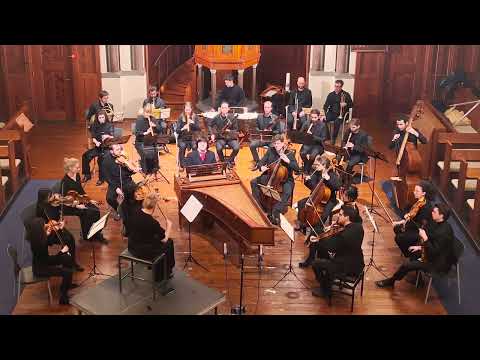
Ludwig van Beethoven (1770-1827)
Piano Concerto in D major, Op. 61a
I. Allegro ma non troppo
Anders Muskens, fortepiano: John Broadwood & Sons grand pianoforte, London c. 1806
Rachael Beesley, concertmaster
and Das Neue Mannheimer Orchester
Performed live in Schiedam on period instruments, historically informed with with Romantic-era orchestral expressive and stylistic devices, including tempo flexibility, asynchronicity, portamenti, vibrato, and pathos-laden expression. As well, a hisotircal orchestral arrangement and leadership structure were used. We sought to indulge in the emotionality of the Romantic aesthetic, and dare to engage with, experiment, and incorporate aspects of 19th century orchestral performance practices. This project will be our unveiling of a fresh-take on Beethoven that will certainly challenge more mainstream approaches to this repertoire.
The solo is played by Anders Muskens on an original fortepiano by John Broadwood & Sons in London c. 1806, restored by Paul Kobald in Amsterdam in 2022. The ensemble Das Neue Mannheimer Orchester, playing on period instruments, was jointly led by Anders and Australian / British concertmaster Rachael Beesley. In total, there were 26 historical instrument specialists performing: fortepiano, 8 violins, 2 violas, 2 celli, double bass, flute, 2 oboes, 2 clarinets, 2 horns, 2 bassoons, 2 trumpets, and timpani.
This piano concerto is a variant of the famous violin concerto Op. 61 adapted for pianoforte by Beethoven himself. The premiere of the violin original in 1806 was largely considered a failure, and the work remained relatively obscure until it was revived by Joachim and Mendelssohn in 1844. Thus, this version for fortepiano was produced by Beethoven at the request of his pianist-colleague and businessman, Muzio Clementi, for publication in London. It appeared in print in 1807. Thus, a choice of an English fortepiano with English action from the year 1806 is very appropriate.
As part of a recording project, funded by the Canada Council for the Arts and the Adriana Jacoba Fonds.

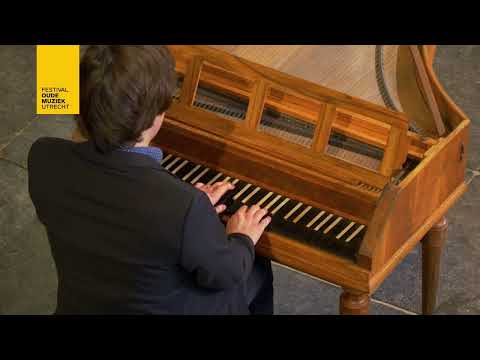
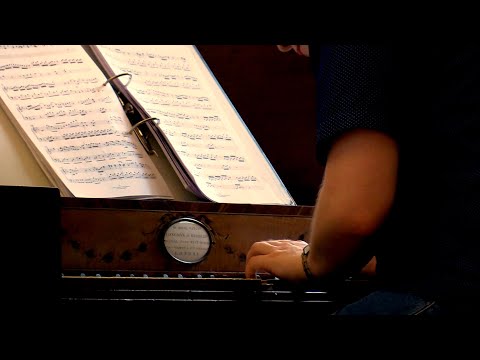
Live performance of the Adagio from Handel Suite in F HWV 427
Performed by Anders Muskens on harpsichord
Live performance of the Adagio from Handel Suite in F HWV 427
Performed by Anders Muskens on harpsichord
https://www.andersmuskens.com/
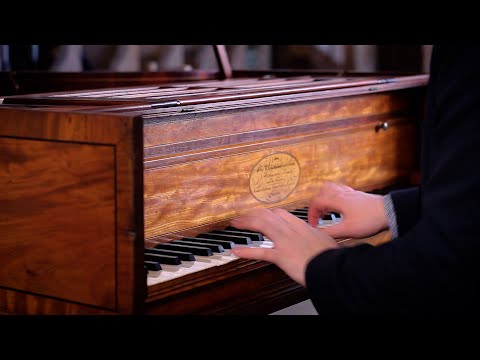
Harpsichord: Bernd Fischer (1984), French double-manual after Claude Labrèche
This performance is from the 2023 Utrecht Early Music Festival. The entire concert is available via EMTV.
https://oudemuziek.nl/emtv/







contact
Contact to learn more via the form

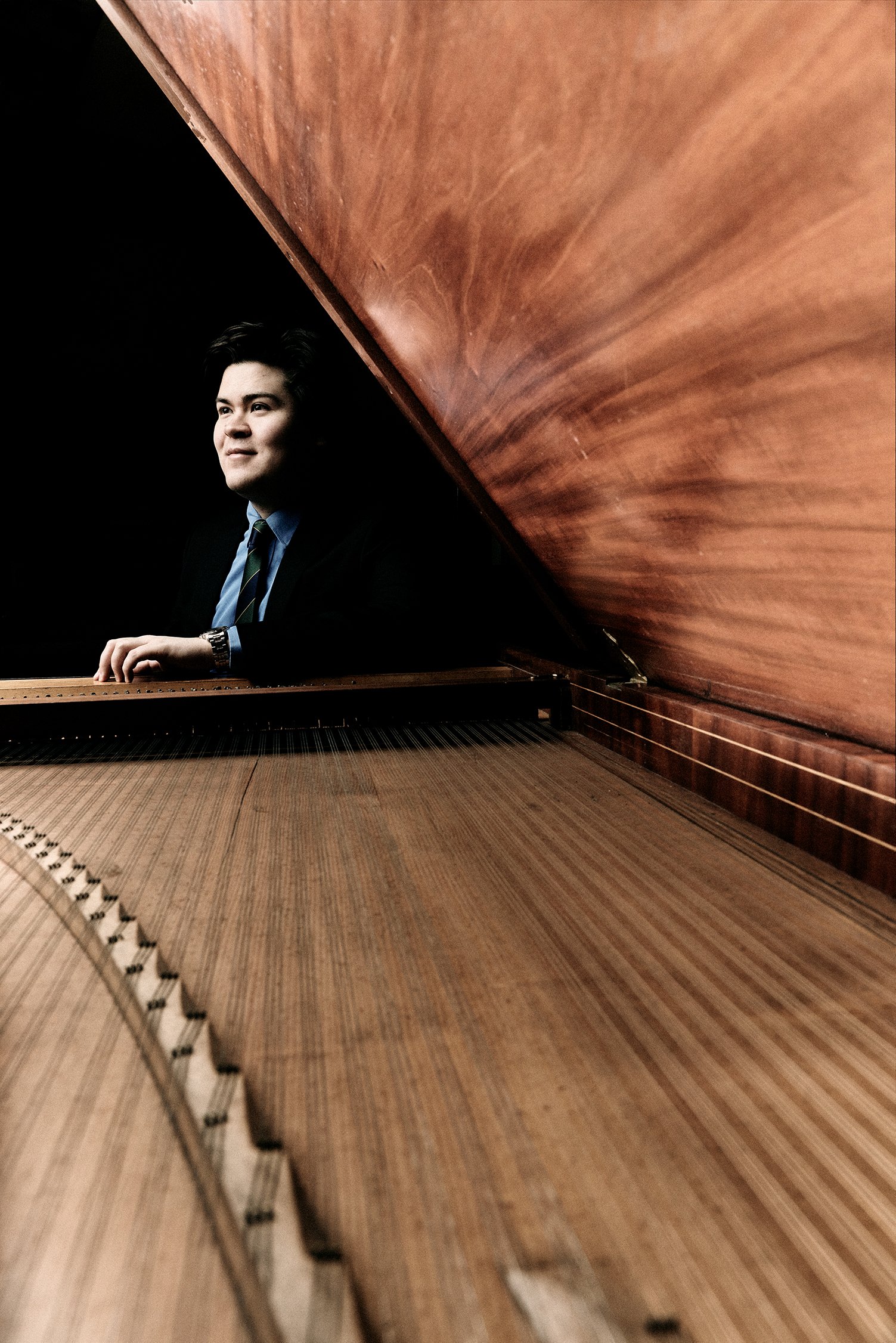
This project explores the revival of expressive practices from the eighteenth-century Mannheim Court, emphasizing historically informed musical performances through the lens of rhetorical expressivity, acting, and sensibility. Led by Anders Muskens and in collaboration with specialists Rachael Beesley and João Luís Veloso Paixão, the initiative centered on Vogler's Hamlet overture and Cannabich’s narrative ballets, using reconstructed pantomime and melodrama to guide musicians in emotionally authentic interpretations. By integrating expressive gestures drawn from historical acting methods, the performances demonstrated the transformative potential of combining historical accuracy with creative imagination, reconnecting modern audiences to the emotional power and rhetorical eloquence characteristic of Mannheim’s influential musical heritage.